The wave of drug development cannabis legalization sweeping across the globe has created profound shifts—not just culturally, but economically as well. What once was an illicit market is transforming into a booming industry with the potential to revitalize local economies, create jobs, and generate significant tax revenue.
In this article, we explore how cannabis legalization affects local economies, the opportunities it creates, and the challenges communities face as they adapt to this new landscape.
Economic Boost Through Job Creation
One of the most direct impacts of cannabis legalization is the creation of jobs. From cultivation and processing to retail, marketing, and security, the cannabis industry offers a variety of employment opportunities.
Growing Industry Sectors
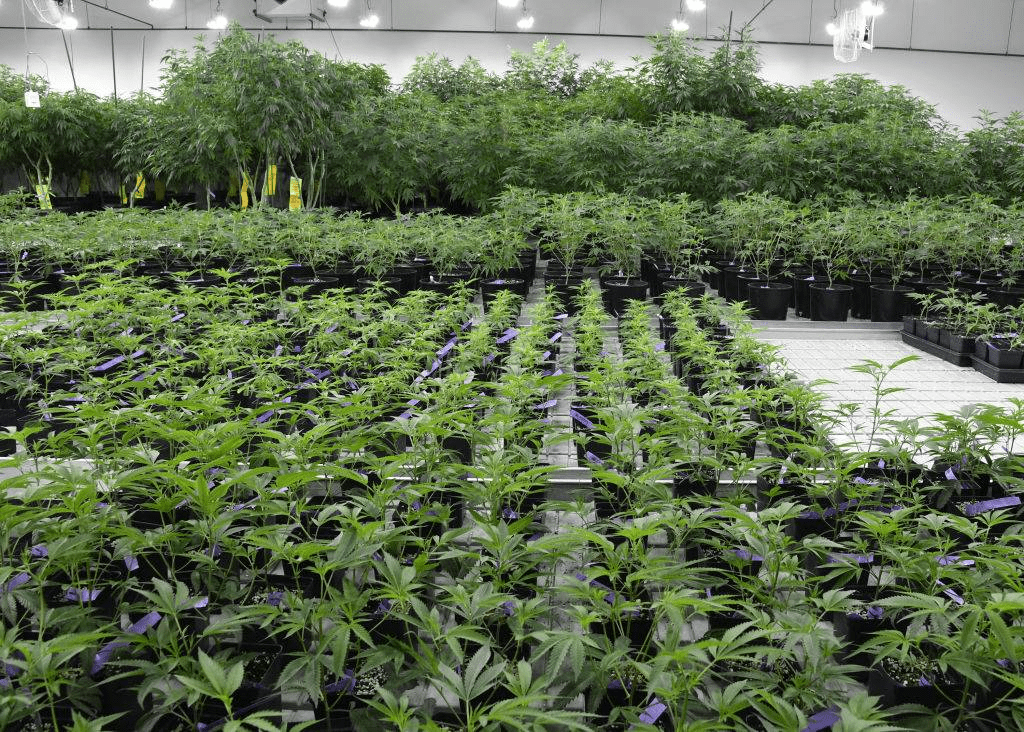
Cultivation: Growers, horticulturists, and farm laborers are in high demand as legal cannabis cultivation scales up.
Manufacturing: Processing facilities that produce edibles, oils, and concentrates require skilled labor.
Retail: Dispensaries create jobs for budtenders, managers, and compliance officers.
Ancillary Services: Marketing agencies, legal consultants, security firms, and tech providers also benefit.
This diversification provides local workers with opportunities across skill levels, boosting employment rates.
Tax Revenue and Public Services
Cannabis sales generate significant tax revenues for municipalities and states. These funds can be reinvested into:
Education programs
Public health initiatives
Infrastructure improvements
Substance abuse treatment and prevention
For example, Colorado, one of the first U.S. states to legalize cannabis, collected over $423 million in cannabis tax revenue in 2023 alone. This revenue has funded school construction, community health, and law enforcement support.
Economic Revitalization and Small Business Growth
Legal cannabis also fosters entrepreneurship, especially among small and minority-owned businesses. Communities previously harmed by prohibition often receive priority licenses and support programs to promote equitable economic development.
Additionally, cannabis tourism boosts local hospitality sectors. Cities with legal cannabis attract visitors interested in dispensary experiences, tours, and cannabis-friendly events.
Challenges to Consider
While cannabis legalization brings economic promise, there are challenges:
Regulatory complexity: Navigating licensing, compliance, and taxes requires expertise.
Banking access: Due to federal laws in some countries, cannabis businesses struggle to access banking services, impacting operations.
Market saturation: Rapid growth can lead to oversupply, reducing prices and profitability.
Social equity: Ensuring marginalized communities benefit from legalization requires ongoing policy focus.
The Future Outlook
As legalization spreads, local economies will continue to adapt. The cannabis industry is poised for innovation in sustainability, technology, and product development, which will drive further growth.
Communities that balance economic opportunity with responsible regulation will likely see the most positive impacts.
 Site Title